How to Choose the Right Child Care Center

Choosing a child care center is an important decision for any family. Your child may spend a significant part of the week there, learning new skills, building relationships, and becoming more independent. The right environment should give parents confidence while providing children with consistent care and meaningful opportunities to grow.
While every family has different priorities, several qualities can help you recognize a child care center that supports your child's development. Looking beyond first impressions and understanding how a center approaches learning, communication, safety, and daily routines can make your decision easier.
Start With Your Child's Individual Needs
Before comparing child care centers, think about what environment will help your child feel comfortable and engaged. Age, personality, developmental stage, and previous experience away from home can all influence what works best.
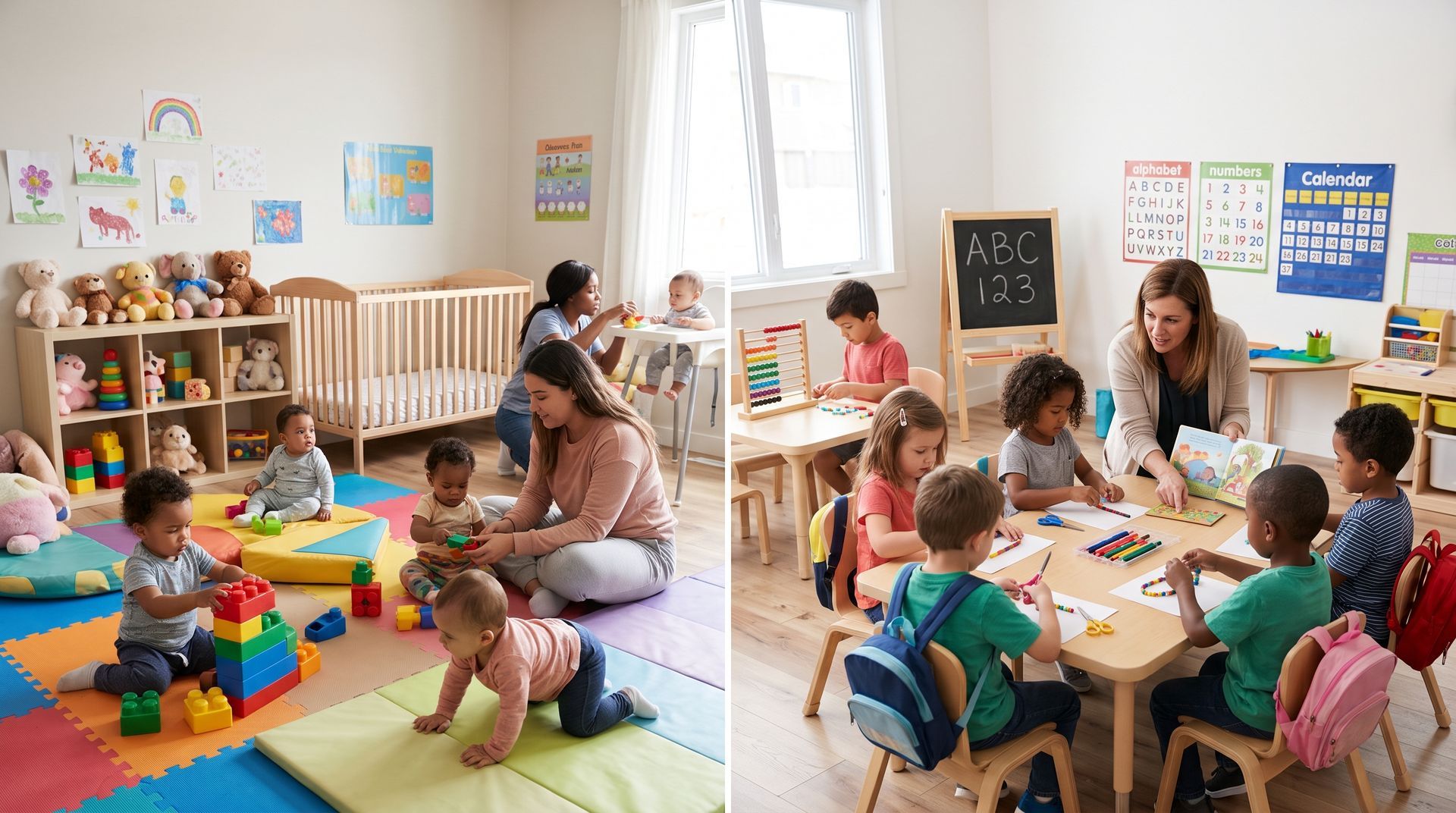
A younger child may benefit from predictable routines and close interaction with caregivers. Preschool-age children may be ready for more structured activities, group learning, creative exploration, and opportunities to practice independence.
Consider your family's needs as well. Location, operating hours, program options, communication practices, and daily schedules can affect whether a center is a practical long-term fit. A program that works well with your family's routine can also make daily transitions easier and help create consistency for your child.
Look for a Safe and Welcoming Environment
Safety should be one of the first things parents evaluate when visiting a child care center. A well-maintained environment should be organized, clean, appropriately supervised, and designed with young children in mind.
Pay attention to classrooms, play spaces, entrances, and common areas. Ask how the center handles child pickup, emergencies, illness, supervision, and other everyday safety concerns. You should also notice whether learning materials, furniture, and play areas appear appropriate for the ages of the children using them.
Notice How Children and Teachers Interact
The atmosphere can tell you a great deal about a program. Observe whether teachers speak respectfully to children, respond to their needs, and actively participate in classroom activities.
Children should appear comfortable approaching their teachers. Warm, responsive interactions help create a sense of security that allows children to participate, explore, ask questions, and develop relationships.
Understand the Child Care Program
A strong child care program does more than keep children occupied throughout the day. Activities should have a purpose and be appropriate for each child's age and developmental level.
Ask what a typical day looks like. Children benefit from a balance of guided learning, creative activities, movement, social interaction, meals, rest, and free exploration. Consistent routines also help children understand what comes next and become more confident in their environment.
Parents exploring Busy World Learning Center can learn more about its Child Care Programs and the learning experiences available for children.
Consider the Approach to Early Learning
Young children learn through active experiences. They develop important skills when they have opportunities to play, communicate, solve problems, create, move, and explore.
A quality child care center should support multiple areas of development rather than concentrating on academics alone. Social-emotional skills, language, physical development, creativity, early literacy, and problem-solving all contribute to school readiness.
Ask About the Curriculum
Parents should understand how classroom activities connect with developmental goals. Ask teachers how they plan lessons, adjust activities for different learners, and monitor children's progress.
Busy World Learning Center uses The Creative Curriculum, an approach that supports learning through developmentally appropriate experiences. Understanding the curriculum can help parents determine whether a center's educational philosophy matches what they want for their child.
Evaluate Communication With Families
Good communication helps parents remain involved in their child's experience even when they are not in the classroom. Ask how teachers provide updates about routines, activities, developmental progress, and concerns.
Communication should also work both ways. Parents should feel comfortable sharing information about changes at home, questions about development, or anything else that could affect their child's day.
A center that values family communication can create greater consistency between home and child care. That partnership helps adults respond more effectively to a child's changing needs.
Ask the Right Questions During Your Visit
A tour gives you an opportunity to see how a child care center operates rather than relying only on written information. Arrive prepared with questions about the areas that matter most to your family.
Ask about teacher experience, classroom routines, curriculum, supervision, communication, meals, rest periods, outdoor play, and transitions between age groups. You can also ask how teachers support children who are adjusting to care for the first time.
Pay attention to how clearly staff answer your questions. Helpful, transparent communication can indicate how the center approaches relationships with families after enrollment.
Think Beyond the First Few Weeks
Choosing a child care center should not focus only on your child's immediate needs. Consider whether the program can continue supporting your child as new abilities, interests, and challenges emerge.
Children develop quickly during the early years. A strong program provides experiences that evolve as children become more independent, improve their communication, develop friendships, and prepare for the next stage of learning.
Look for a center where care and education work together. Children should have opportunities to feel secure while also being encouraged to explore and develop new skills. A setting that recognizes each child's progress can provide continuity as developmental needs change over time.
Choose a Child Care Center With Confidence
There is no single feature that determines whether a child care center is right for your family. The strongest choice is usually a combination of attentive teachers, thoughtful learning experiences, dependable routines, clear communication, and an environment where your child can feel safe and supported.
Busy World Learning Center supports children through thoughtful child care and early learning experiences. Ready to learn more? Contact Busy World Learning Center to explore the right program for your child.
Recent Posts